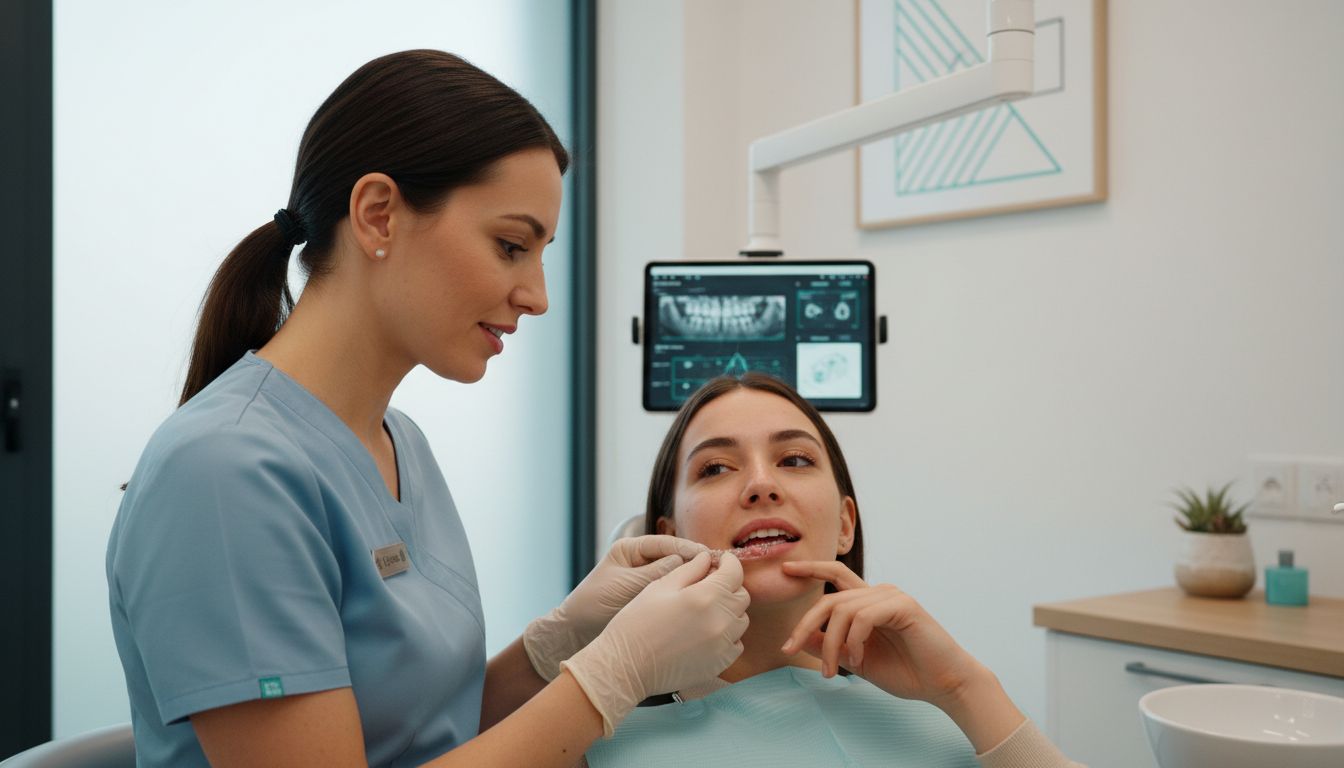
Did you know that nearly 70 percent of orthodontic patients now choose clear aligners over traditional braces for comfort and aesthetics? As more people seek discreet orthodontic options, fine-tuning every stage of aligner therapy becomes crucial. Mastering initial fit, managing complications, and seamlessly integrating supporting technologies makes the difference between a good result and a truly confident smile.
Table of Contents
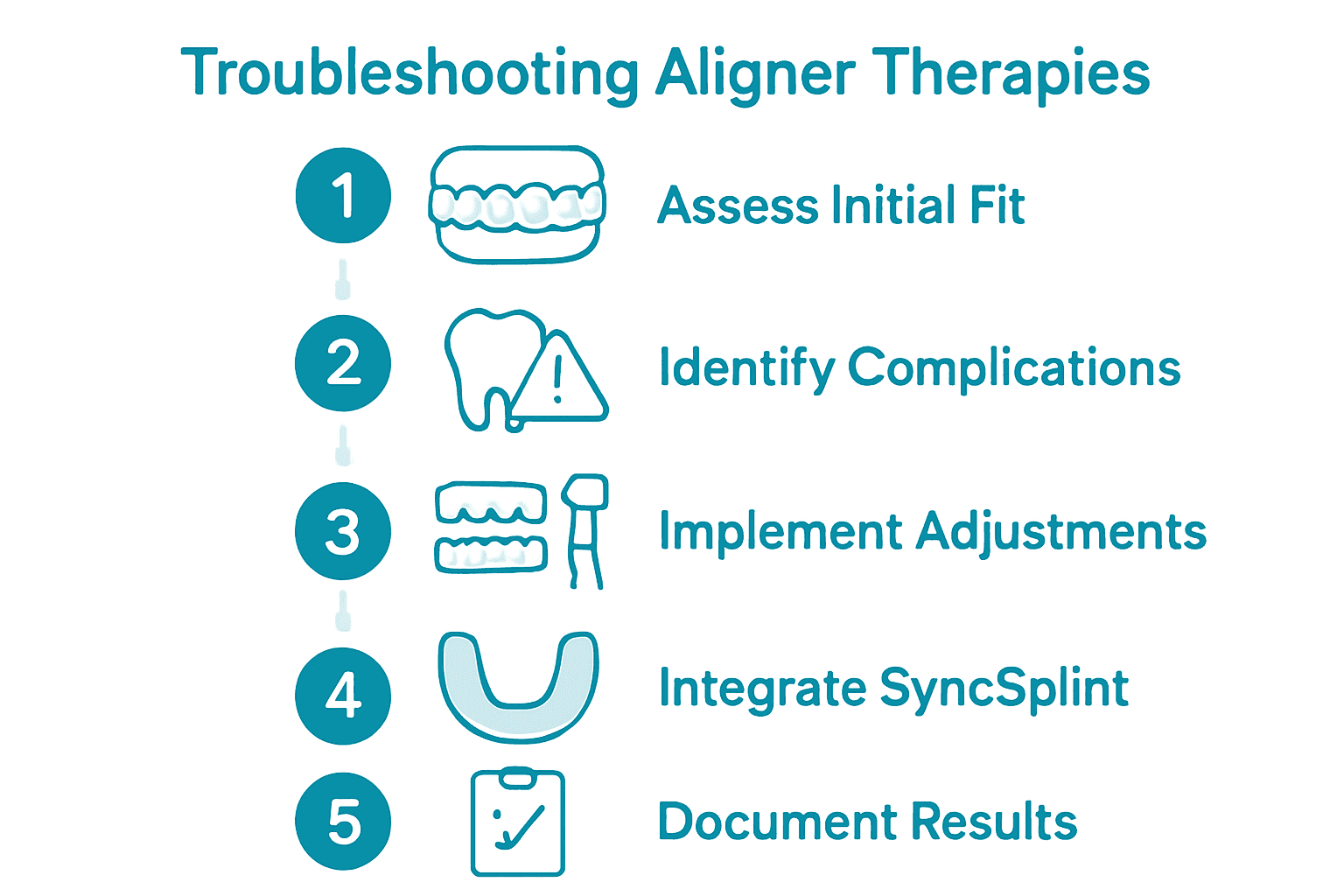
Quick Summary
| Key Point |
Explanation |
| 1. Ensure Proper Aligner Fit |
Assess alignment, gaps, and patient comfort to confirm the initial fit effectiveness. |
| 2. Monitor for Orthodontic Complications |
Regular check-ins and communication help in early detection of potential complications like periodontal damage. |
| 3. Implement Personalized Adjustments |
Tailor treatment strategies to each patient’s response, especially those with complex periodontal issues. |
| 4. Integrate SyncSplint for Better Results |
Use SyncSplint to enhance aligner positioning and improve overall treatment effectiveness. |
| 5. Document Patient Progress Rigorously |
Maintain comprehensive records of treatment changes and patient feedback for continuous improvement. |
Step 1: Assess Initial Aligner Fit and Patient Feedback
Evaluating the initial aligner fit and gathering patient feedback are critical steps in ensuring successful orthodontic treatment. Your primary goal is to confirm the aligners are comfortable, properly positioned, and facilitating the intended dental adjustments.
Begin by conducting a comprehensive initial assessment that includes both physical and patient reported observations. According to
dentalprotection.org, early detection of potential fit issues allows for prompt intervention and can significantly optimize treatment outcomes. Look for several key indicators during your examination:
- Alignment accuracy of the aligner edges against gum lines
- Minimal air gaps between aligner and tooth surface
- Smooth transition points between aligner and tooth enamel
- Patient reported comfort levels
Patient comfort represents a crucial metric in assessing aligner effectiveness. Research from
PMC indicates that patients treated with aligners generally report less discomfort compared to traditional braces. During your consultation, ask patients specific questions about their experience such as:
- Do the aligners feel tight but not painfully restrictive?
- Are there any areas of significant pressure or rubbing?
- Can you speak and swallow comfortably with the aligners in place?
If patients report persistent discomfort or noticeable fit problems, consider making immediate adjustments. Potential solutions might include minor aligner modifications, additional patient education on proper wear techniques, or consulting with your orthodontic team for a comprehensive review.
Aligners Initial Adjustment With SyncSplint provides additional guidance for managing these initial fitting challenges.
Remember that a successful initial fit sets the foundation for the entire orthodontic treatment process. Patience, thorough examination, and active patient communication will help ensure optimal alignment and patient satisfaction.
Step 2: Identify Common Treatment Complications
Navigating potential orthodontic complications requires a systematic and proactive approach to patient care. Your goal is to recognize early warning signs and implement preventive strategies that minimize risks during aligner therapy.
According to
PubMed, orthodontic treatments involve multiple potential risks that span physiological and psychological domains. These complications can include:
- Periodontal damage
- Root resorption
- Tooth devitalization
- Temporomandibular disorder
- Dental caries
- Speech disruptions
- Enamel structural changes
Research from
PMC further expands our understanding by highlighting additional potential adverse effects such as tooth discolorations, decalcification, psychological disturbances, and rare systemic responses like allergic reactions and infective endocarditis.
To effectively manage these potential complications, implement a comprehensive monitoring protocol. This involves regular patient consultations, detailed clinical examinations, and maintaining open communication channels. Carefully track patient responses to treatment, looking for subtle changes in dental alignment, patient comfort levels, and potential inflammatory responses.
Critical warning: Early detection is key. Do not wait for patients to report significant discomfort or noticeable issues. Proactively schedule frequent check ins and encourage patients to communicate any unusual sensations or changes they experience during treatment.
Remember that while complications can occur, most can be effectively managed or mitigated through careful patient selection, precise treatment planning, and consistent professional monitoring. Your expertise and attentiveness will be the primary safeguard against potential treatment risks.
Step 3: Implement Targeted Adjustments and Interventions
Successful aligner therapy requires a dynamic approach to treatment modifications. Your primary objective is to create a personalized intervention strategy that adapts to individual patient responses and emerging clinical challenges.
According to
PMC, proper management of orthodontic appliances is critical, especially for patients with compromised periodontal health. The key is developing a nuanced approach that prevents further dental complications while maintaining treatment momentum.
Begin by establishing a comprehensive assessment protocol that includes:
- Detailed periodontal screening
- Precise tracking of tooth movement
- Evaluation of patient compliance and comfort
- Regular digital imaging comparisons
When implementing targeted interventions, consider multiple adjustment strategies:
- Micro adjustments to aligner fit
- Selective tooth staging
- Pressure point modifications
- Temporary treatment pauses for healing
Patients with complex medical histories or challenging periodontal conditions require extra attention. For these individuals, develop a more conservative treatment approach that prioritizes gradual movements and frequent monitoring.
Proactive warning: Never implement significant treatment modifications without comprehensive clinical documentation. Each adjustment should be meticulously recorded and justified based on objective clinical evidence.
Remember that successful orthodontic intervention is not about rigid protocols but adaptive strategies. Your ability to personalize treatment and respond to individual patient needs will determine the ultimate therapeutic success.
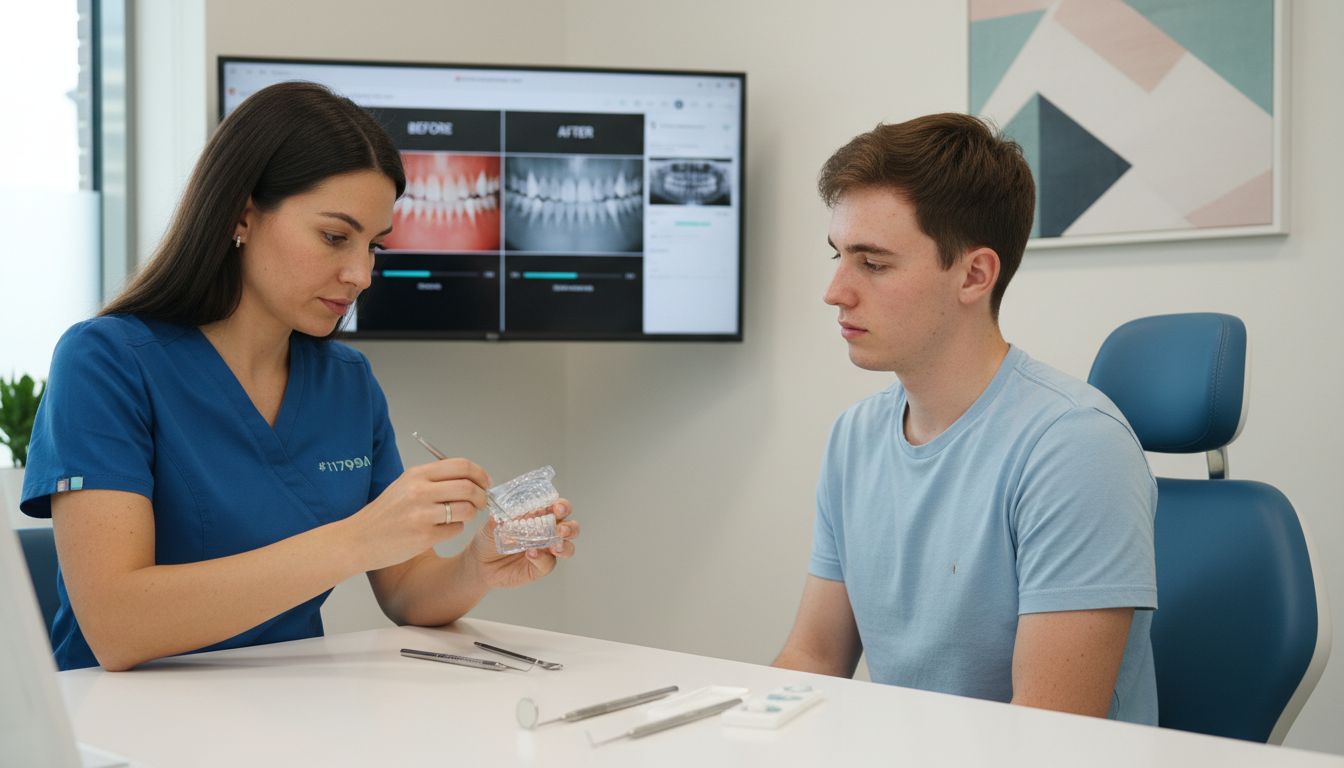
Step 4: Integrate SyncSplint for Enhanced Correction
Optimizing aligner therapy requires strategic integration of supplementary technologies that enhance treatment precision and patient comfort. Your goal is to leverage the SyncSplint appliance as a critical tool for improving overall orthodontic outcomes.
According to
OHSU Digital Collections, the SyncSplint appliance is specifically designed to facilitate the seating of clear aligner trays and aid in their removal. This means you can potentially improve aligner effectiveness through more precise positioning and controlled movement.
When integrating SyncSplint into your treatment protocol, follow these key implementation strategies:
- Assess patient specific alignment requirements
- Select appropriate SyncSplint configuration
- Demonstrate proper appliance usage techniques
- Monitor initial adaptation and patient response
Research from
PMC confirms that clear aligners are well tolerated and cause minimal patient trauma. By incorporating SyncSplint, you can further enhance this patient friendly approach to orthodontic correction.
Critical recommendation: Conduct a comprehensive patient consultation to explain the supplementary role of SyncSplint. Ensure patients understand how this device supports their overall treatment strategy and improves potential alignment outcomes.
Remember that successful integration is about personalization. Your ability to adapt SyncSplint to individual patient needs will determine the ultimate effectiveness of the intervention.
SyncSplint For Aligners fabricated through final aligners and initial models provides additional insights into optimizing this integration process.
Step 5: Verify Treatment Improvements and Document Results
Successful orthodontic treatment hinges on meticulous documentation and comprehensive outcome verification. Your ultimate objective is to create a systematic approach for tracking patient progress and validating treatment effectiveness through objective and subjective measurements.
According to
PMC, post-operative care in aligner treatments requires strategic stabilization and transition protocols. This means developing a structured documentation process that captures nuanced changes throughout the treatment journey.
Implement a comprehensive verification protocol that includes:
- Digital comparative imaging
- Precise dental measurements
- Patient comfort assessments
- Longitudinal alignment tracking
Research from PMC highlights that patients treated with aligners consistently report reduced discomfort compared to traditional braces. This underscores the importance of capturing both clinical and patient reported outcomes in your documentation strategy.
Critical recommendation: Develop a standardized documentation template that captures quantitative and qualitative treatment data. This template should include systematic sections for:
- Initial baseline measurements
- Incremental progress snapshots
- Patient subjective experience ratings
- Clinical interpretation of treatment trajectory
Warning: Inconsistent or incomplete documentation can compromise treatment understanding and potential future interventions. Maintain rigorous record keeping throughout the entire treatment process.
Understanding Orthodontic Outcomes Improvement for Better Care provides additional insights into developing comprehensive treatment documentation strategies. Remember that thorough verification is not just about recording data but interpreting those findings to continuously refine your clinical approach.
Enhance Aligner Therapy Success with SyncSplint
Troubleshooting aligner treatments involves addressing fit issues, minimizing discomfort, and preventing complications like improper tooth movement or periodontal damage. The article highlights how critical it is to monitor patient feedback and make precise adjustments early on. If you want to reduce those common challenges and optimize your orthodontic outcomes, SyncSplint offers a professional solution designed explicitly to improve aligner fit and force distribution across all major aligner systems. This device supports smoother aligner seating and removal, helping you confidently achieve the treatment goals your patients expect.
Discover how integrating SyncSplint into your protocols can transform patient comfort and accelerate therapy results. Visit the
SyncSplint homepage to explore detailed usage guidance and clinical benefits. Learn about Aligners Initial Adjustment With SyncSplint to tackle early fitting challenges or see how the SyncSplint for final aligners and initial models can refine your treatment precision. Act now to elevate your orthodontic care and deliver more predictable, comfortable aligner therapy to your patients.
Frequently Asked Questions
How can I assess the initial fit of my aligners?
To assess the initial fit of your aligners, check for alignment accuracy along the gum line and air gaps between the aligner and teeth. Schedule a consultation to gather patient feedback on comfort levels, noting any areas of pressure or restrictions.
What should I do if my patient reports discomfort with their aligners?
If a patient reports discomfort, investigate the reported issues and consider making adjustments to the aligner fit or providing additional education on proper wear techniques. Act promptly to ensure comfort and minimize disruption to the treatment process.
How can I effectively monitor for complications during aligner therapy?
To monitor for complications, implement a systematic protocol that includes regular patient check-ins and detailed clinical examinations. Encourage patients to communicate any unusual sensations or changes they experience to catch potential issues early.
What types of adjustments can be made if aligners aren’t fitting properly?
You can make micro adjustments to the aligner fit, change the staging of tooth movements, or modify pressure points as needed. Document each adjustment carefully, ensuring your strategy is tailored to the patient’s unique situation.
How can integrating SyncSplint enhance aligner therapy outcomes?
Integrating SyncSplint can improve aligner seating and removal, promoting better alignment results. Demonstrate proper usage techniques to patients during their initial consultation to enhance their comfort and understanding of its role in their treatment.
What should be included in my treatment documentation for aligner therapies?
Your treatment documentation should include initial measurements, progress snapshots, and patient-reported comfort assessments. Ensure that your entries track both clinical outcomes and subjective feedback to facilitate comprehensive care.
Recommended