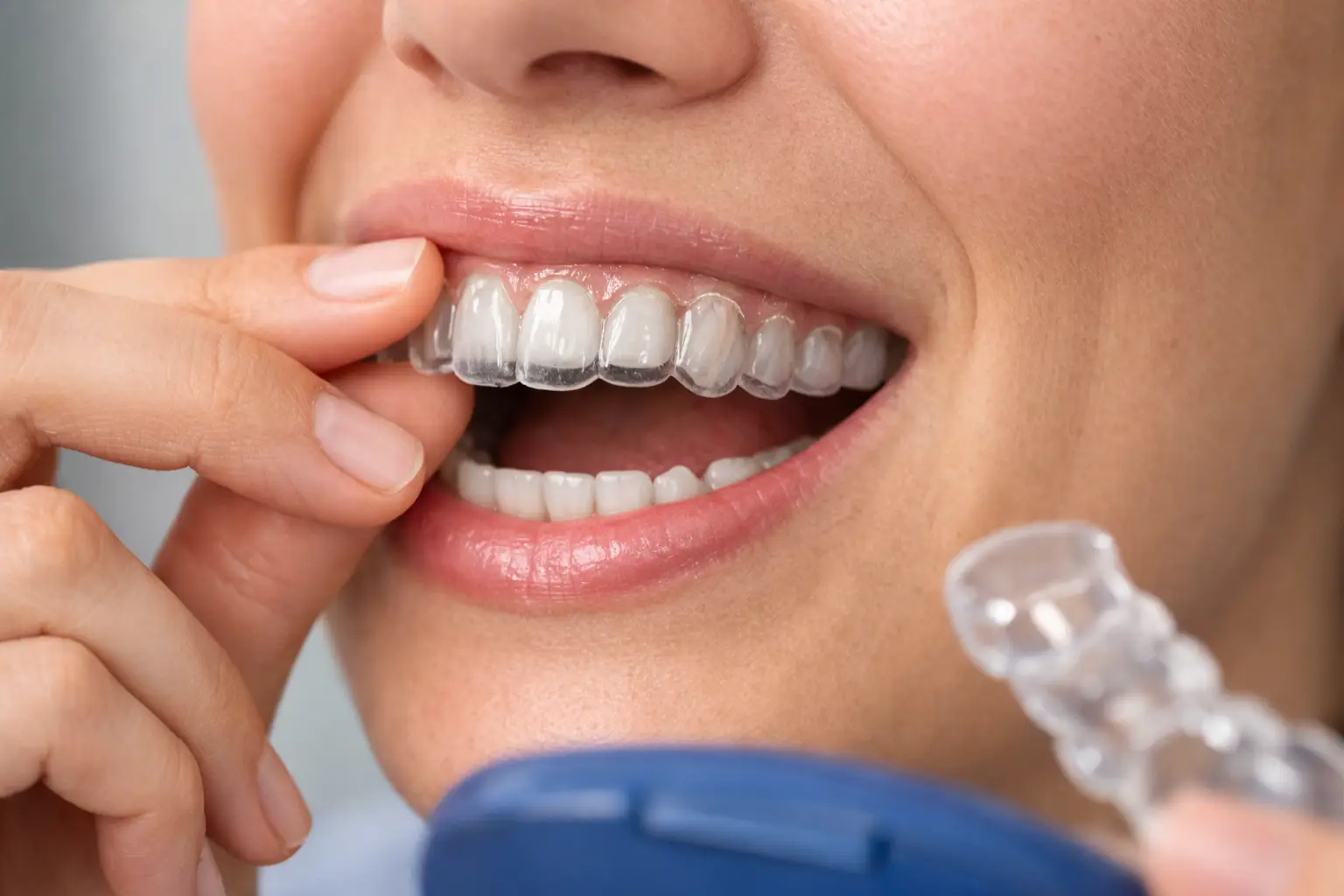

A new tray that will not fully seat is rarely just a comfort issue. It is an early signal about force delivery, tracking, and whether the next stage is actually expressing as planned. If you are trying to figure out how to seat stubborn aligners, the goal is not to force plastic into place. The goal is to identify why the fit is incomplete and restore controlled, predictable seating.
For patients, that usually means less frustration and fewer delays. For clinicians, it means fewer avoidable refinements, better attachment engagement, and tighter control over case progress. When an aligner does not adapt fully at the incisal edges or along the gingival margin, the tray is telling you something. The mistake is treating every seating problem as if more bite pressure will solve it.
How to seat stubborn aligners without creating new problems
The first question is simple: is the tray truly stubborn, or is it being inserted incorrectly? Many seating complaints start with partial insertion from one side, uneven finger pressure, or an attempt to bite the aligner into place before it is fully engaged over the posterior teeth. That approach can distort insertion and increase discomfort without improving fit.
A better method starts with deliberate placement. Seat the aligner over the anterior teeth first if that is how the tray engages best, then press evenly over the premolars and molars with fingertips rather than snapping one side down aggressively. Once the tray is broadly adapted, controlled biting pressure can help refine the fit. If there is a visible gap, especially around attachments or at a single segment, stop and assess before pushing harder.
This is where clinical judgment matters. A small amount of initial lift on a fresh tray may resolve within a day or two if the previous stage tracked well. A pronounced gap, unilateral seating failure, or repeated trouble with new trays points to something more than routine tightness.
Check the obvious variables first
Before assuming biological resistance or planning failure, verify the basics. Confirm the patient is wearing the correct tray and that the aligner is not upside down, distorted, or damaged from removal attempts. It sounds basic because it is, but these issues still account for a surprising number of seating problems.
Then inspect the aligner itself. Look for flash, warpage, or manufacturing irregularities around attachment cutouts and gingival margins. If one area of the tray is binding, the problem may be mechanical rather than biological. A tray that is defective will not become accurate through persistence.
Attachment integrity also matters. A partially lost attachment, excess composite, or rough edge can prevent full seating. In those cases, the aligner is not stubborn. The interface between the tooth and the tray is compromised.
Why stubborn aligners happen in the first place
Most stubborn aligners fall into one of three categories. The first is normal initial tightness from programmed movement. The second is delayed tracking, where the teeth did not fully reach the intended position in the previous stage. The third is insertion resistance caused by tray design, attachment mismatch, or tooth morphology.
Those categories require different responses. Normal tightness calls for disciplined wear and short-term monitoring. Tracking loss may require extended wear, auxiliaries, or a midcourse correction. Mechanical interference may require attachment adjustment, replacement trays, or a more strategic seating protocol.
The reason this distinction matters is force control. Clear aligner therapy performs best when the tray fits intimately and delivers planned force where it is needed. If the tray is floating over several teeth, force systems change. You may lose rotational control, reduce root movement expression, or introduce uneven loading that slows treatment rather than accelerating it.
Wear time is still the first clinical checkpoint
When a tray is not seating, ask about actual hours of wear, not ideal hours. Many patients believe they are compliant because they wear aligners most of the day. But small daily deficits add up. A patient wearing trays 18 hours instead of 22 hours is not slightly off protocol. They are materially reducing the consistency of force application.
If compliance is borderline, the next tray may feel excessively tight even when the treatment plan is sound. In that situation, extending the current aligner stage is often more effective than forcing progression. Pushing ahead with a poorly seated tray usually compounds the problem at the next change.
Practical techniques that improve aligner seating
Once you have ruled out defects and confirmed that the tray is the correct stage, seating technique becomes the next lever. Consistent use of chewies or a similar bite aid can improve adaptation, especially around attachments and in the posterior segments. Short, repeated intervals tend to work better than one aggressive attempt.
Warmth can also help, within reason. Patients sometimes find that seating a fresh tray after rinsing it in lukewarm water improves flexibility slightly and reduces the sensation of stiffness. The key word is lukewarm. Heat can distort the plastic and create a bigger fit problem.
If a single area remains elevated, inspect where the tray stops adapting. A localized interference pattern often tells you more than a generalized complaint of tightness. If the aligner seats everywhere except around a canine attachment or a rotated premolar, that is useful diagnostic information. It may point to incomplete prior movement, attachment mismatch, or a movement that needs more staging support.
When not to tell the patient to just keep wearing it
There is a point where reassurance becomes delay. If the aligner is obviously not tracking after several days of proper wear, continuing the same instruction may waste time and erode patient confidence. The tray should show progressive improvement in fit. If it does not, the case needs intervention.
That intervention depends on the cause. Sometimes the right move is extending wear by several days. Sometimes it is replacing a defective tray. Sometimes it is rescanning before the discrepancy grows. The clinically strong approach is not to defend the original plan at all costs. It is to preserve treatment control.
How to seat stubborn aligners in more complex cases
More difficult seating problems often show up in cases with rotations, deep bites, short clinical crowns, mixed attachment demands, or upper and lower arches progressing at different rates. In those situations, the aligner is working against more than simple linear discrepancy. It may be competing with occlusion, attachment geometry, or unsynchronized arch movement.
This is where treatment design and adjunctive support make a real difference. If one arch is advancing cleanly and the other is lagging, the resulting occlusal relationship can make tray seating harder from stage to stage. Better synchronization improves more than convenience. It improves the environment in which the aligner has to fit and function.
For clinicians looking to reduce these friction points, systems that support easier seating and more coordinated force application can strengthen overall case performance. SyncSplint is built around that principle - accelerating movement, improving seating, and helping bring upper and lower treatment progress into better alignment without forcing a change in the aligner brand already in use.
Patient coaching matters more than most practices think
Even well-designed trays fail when patients remove them carelessly, skip wear, or judge fit by feeling alone. Patients need a simple standard: a new tray can feel tight, but it should increasingly adapt over the first days of wear. If they see persistent gaps, feel one side rocking, or cannot engage the tray around attachments, they should report it early.
That guidance prevents the common cycle of underreporting, delayed intervention, and avoidable refinements. It also shifts the conversation away from pain tolerance and toward performance. The question is not whether the patient can endure the tray. The question is whether the tray is delivering planned movement.
The clinical mindset that keeps cases on track
Stubborn aligners are not random annoyances. They are feedback. Sometimes that feedback says the tray is new and the patient needs better seating habits. Sometimes it says compliance has slipped. Sometimes it says the biology, staging, or appliance interface needs adjustment.
The strongest aligner workflows treat seating problems as early data, not late surprises. That means checking fit carefully, acting before discrepancies stack up, and using tools that improve control rather than relying on hope between tray changes. Better seating is not just about getting plastic onto teeth. It is about protecting the precision that clear aligner therapy promises.
When an aligner resists seating, slow down just enough to read the signal. The cases that finish faster and cleaner are usually the ones where that signal gets addressed early.

